Everyday Ayurveda with Kate
Welcome to Everyday Ayurveda, a podcast by Kate O’Donnell, renowned Ayurvedic practitioner, bestselling author, and founder of the Ayurvedic Living Institute. Join Kate as she demystifies the ancient wisdom of Ayurveda and translates it into practical, everyday practices for modern living. In each episode, Kate shares her deep knowledge and personal experiences from over two decades of studying Ayurveda in India. Whether you’re new to Ayurveda or a seasoned practitioner, you’ll discover valuable insights on diet, lifestyle, self-care, and holistic health. Everyday Ayurveda is your go-to resource for integrating the timeless principles of Ayurveda into your daily routine, fostering a life of balance, health, and happiness. Subscribe now and start your journey towards radiant well-being with Kate O’Donnell. Listen, learn, and transform with Everyday Ayurveda – because true health begins with the choices we make every day.
Listen on:







Episodes
Wednesday Dec 18, 2024
Wednesday Dec 18, 2024
Today, I am excited to have Adena from Adena Rose Ayurveda with me on the podcast.
Adena is a women's health Ayurveda practitioner with 15 years of experience at the AyurvedicCenter of Vermont, where she once served as one of my Panchakarma therapists.
As an Ayurvedic practitioner, Adena works primarily in reproductive health, doing hands-on work, including Maya abdominal therapy and Ayurvedic therapies, to support women through various life stages, overcome fertility issues, and help them heal painful and irregular menstrual cycles.
Adena loves sharing vital self-healing tools to empower women. In this episode, she dives into the most effective and recommended tools. We also explore the practice of vaginal steaming and how to do it.
Join us for her years of clinical experience as Adena shares her insights on women's health.
Fertility
Adena believes women must ensure that the soil, or conditions for fertility, are optimal. Her approach fosters a deeper understanding of physical signals, guiding women to reclaim their health and well-being through Ayurveda.
Monitoring Fertility
Cervical Fluid: Recognizing changes in cervical fluid can help identify the fertile window without invasive measures.
Basal Body Temperature: Tracking temperature changes can indicate ovulation phases to clarify fertility status.
Cervical Examination: For those comfortable with it, feeling the cervix can offer insights into ovulation.
These methods can help women gain a more intimate understanding of their bodies without relying on ovulation kits.
Ayurvedic Perspective on Ovulation Issues
By assessing digestion and menstrual patterns, practitioners can identify underlying dosha-related issues affecting ovulation. Adena explains that the symptoms of not ovulating can vary widely, from irregular cycles to different bleeding patterns, all of which can link to specific dosha imbalances.
Navigating Fertility Paths
Many clients seek out alternative methods after being disappointed with conventional treatments. Some approach Adena before starting their fertility journey, while others go to her after trying IVF or other medical interventions. Adena highlights the importance of conscious conception, where couples prepare their bodies and balance doshas before attempting to conceive.
Perimenopause and Menopause Insights
Women in their 40s may experience hot flashes, irregular periods, and heightened anxiety. Adena explains that those symptoms often reflect dosha imbalances, which can manifest as increased sensitivity. She acknowledges the cyclical nature of female health, highlighting the importance of self-awareness during life transitions.
Ayurvedic Self-Care Practices for Women
Abhyanga: Daily self-massage with warm oil to promote relaxation and balance.
Pranayama: Breathing techniques that help connect the breath and nervous system, including NadiShodhana (alternate nostril breathing).
Nourishing Herbal Infusions: Using herbs like nettles and red clover to provide essential nutrients is particularly beneficial for perimenopausal and postmenopausal women.
Herbal Infusions
Herbal infusions involve soaking herbs in hot water for an extended period (8-12 hours) to maximize the extraction of iron, magnesium, potassium, and calcium. You can include the Ayurvedic herbs, Shatavari, and ashwagandha, but Western herbs like nettle, rose, and tulsi are usually more accessible.
Hydration
In Ayurveda, hydration is fundamental for health. Adena recommends starting the day with a glass of warm water with lemon to stimulate digestion and detoxification. Drinking warm or room-temperature water throughout the day supports digestion, balances bodily functions, boosts energy levels, and enhances skin health.
Empowering Alternatives to Pharmaceuticals
Adena suggests exploring holistic methods for at least six months before resorting to pharmaceutical medications.
Emotional and Physical Healing
Invasive medical procedures can feel overwhelming. Adena recommends a holistic approach to support women looking to process their experiences after medical interventions.
Yoni Steaming
Yoni steaming is a tool for self-healing that focuses on the pelvic and womb spaces. The practice involves sitting over steaming herbs for various purposes, from physical healing to emotional and spiritual support. Adena explains that with specific herbs, yoni steaming can create homeostasis in the body by supporting the natural function of the reproductive system. The heat from the steam, combined with the properties of herbs like calendula, chamomile, or mugwort, helps relax muscles, improve circulation, and encourage the natural detox processes in the body. Those herbs also soothe inflammation, regulate menstrual cycles, and address painful periods.
Customizing Practices for Individual Needs
Adena focuses on creating customized routines involving diet, herbs, and specific therapies to ensure that each woman receives the most effective support for her individual body and healing journey. She explains that what works for one person may not work for another in healing. She always considers the constitution of each woman, her menstrual patterns, and her overall health when determining the best approach.
Offerings and Future Programs
Adena now offers Yoni steaming at the AyurvedicCenter in Vermont, often alongside Maya abdominal therapy. She has taught womb-healing practices for years, covering techniques like Yoni steaming, castor oil packs, and self-abdominal massage, and she will launch a year-long Ayurveda practitioner apprenticeship in 2025, focusing on advanced herbal formulas and fertility awareness. She will also offer the Sacred Spiral Ayurveda Collective as a lighter course for those wanting to learn healing tools without one-on-one sessions.
Links and Resources:
Ayurvedic Living Community Membership
Practical and Authentic Healing for Women: Adena Rose Ayurveda
The Sacred Spiral Ayurveda Collective
The Sacred Spiral Ayurveda Apprenticeship
Spring Cleanse: https://ayurvedicliving.institute/kitchari-cleanse-ayurveda-springConnect with Kate: https://www.healwithkate.org Ayurvedic Living Institute Membership: https://ayurvedicliving.institute/membership Women's Health Collection: https://courses.ayurvedicliving.institute/collections/womens-healthhttps://courses.ayurvedicliving.institute/products/courses/copy-of-fall-community-cleanse-2024Thanks to our Sponsor: Banyan BotanicalsBanyan Botanicals: https://glnk.io/kovw3/kateBitter and Bold: https://glnk.io/kovw3/kate1x5Chyavanprash Herbal Jam: https://glnk.io/kovw3/kate5xiSave 15% with code WINTERWITHKATE
Wednesday Dec 04, 2024
Wednesday Dec 04, 2024
Most of the questions I get asked while traveling revolve around my writing process or publishing journey. So, in this episode, I share my life-altering journey, explaining how a personal health challenge led me to discover Ayurveda and inspired me to write books to spread its wisdom. So, whether you dream of writing a book, are busy working on one, or are curious about the writing and publishing process, this episode is a must-listen.
Join me. You may even find the spark to turn your writing ideas into reality!
My Health Struggles
When I was 20, I traveled to India, eager for adventure, but my health was a mess. I dealt with parasites, a weakened immune system, and gut issues and took antibiotics like Flagyl, which wrecked my digestive system. After I returned to India to seek treatment, a doctor in Mysore introduced me to the ancient Ayurvedic healing system.
The Ayurvedic Experience
I underwent Panchakarma, a powerful Ayurvedic detox that included oil rubdowns, milk pours, enemas, and a simple Kitchari diet. The experience was intense but transformative. It gave me a deeper understanding of Ayurveda and sparked my curiosity to learn more.
Combining Yoga and Ayurveda
I spent time teaching yoga and Ayurveda, balancing my time between India and the U.S. I started sharing simple Ayurvedic practices with my students, like tongue scraping and drinking hot water. I also noticed how confused many people were about food, so I wrote a cookbook.
The Everyday Ayurveda Cookbook
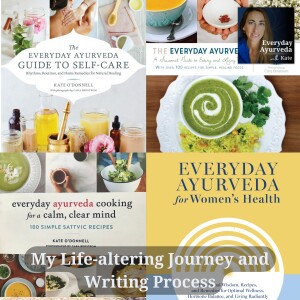
When an editor from Shambhala Publications contacted me, I knew it was time to turn my ideas into a book. So, I wrote The Everyday Ayurveda Cookbook. It contains simple, seasonal recipes to help people understand how food can be medicine.
The Publishing Journey
The publishing process was not easy. It involved testing recipes, balancing the Ayurvedic philosophy, and ensuring it was user-friendly and accessible. I worked closely with a designer to create a visually appealing and informative book. The cookbook came out in 2015, and in 2025, I will release a 10th-anniversary edition of The Everyday Ayurveda Cookbook, with new recipes and a foreword by Amadeo Morning Star.
Mind-Body Connection and the Second Book
As I continued working with people, I realized how much the mind influences our health and food choices. That led me to write my second book, Everyday Ayurvedic Cooking for a Calm, Clear Mind, about how Ayurveda can help us create mental calm and clarity, which supports our overall well-being.
Writing in India
When in India, I have more time to write as there are fewer distractions. I get a lot of inspiration in India, especially from local food markets and healthy restaurants.
The Struggles of Writing the Front Matter
Writing the front matter for Calm, Clear Mind took me a year. Writing about the mind is tricky, complex, and often murky. I worked closely with my partner, Rich, who has experience with psychological work, to ensure the language was non-judgmental.
Research and Inspiration from Texts
I could not find many Ayurvedic resources on the mind, so I dug deep into texts like the Bhagavad Gita, which explores the connection between food and the mind. After extensive research, I also found insights from various yogic and Vedic texts that shaped my approach to writing about the mind.
The Challenge of Publishing
Publishing with Shambhala has been a rewarding experience for me. The vulnerability of handing over my work for the first time was a huge emotional challenge, but working with a trustworthy publisher made things easier. I published all four of my books with them because I trust their artistic vision and respect for my work.
The Everyday Ayurveda Guide to Self-Care
My third book, The Everyday Ayurveda Guide to Self-Care, was a home remedy guide that dives into the Ayurvedic understanding of the body, covering tissues and channels, and how to nourish them. It offers targeted remedies for health issues, like digestion or bone health, and includes a comprehensive directory of herbs and spices.
The Financial Realities of Writing
Writing books is not a lucrative endeavor. Authors need to supplement their income with speaking engagements or other work.
Writing About Women's Health
During COVID, I decided to write a book on women's health, focusing on the Ayurvedic approach to menstruation, breast health, and how women move through the world. I wanted to explore the female body from a cosmic perspective, using Ayurvedic principles to explain all the physical, psychological, and energetic health aspects. This book was challenging to write but fulfilling.
My Writing Workflow
I try to shut down other work when writing a book, allowing myself to enter a creative space. The researching, writing, and crafting process of a book excites me, and I have learned with each book I have written. I start with a table of contents and adjust as I go, constantly refining the direction. Research and comparison with other books help me pinpoint what is missing and what I can offer that others have not.
Managing Time and Work Balance
Writing a book takes time and energy, so I plan it carefully. It is hard for me, as stepping away from my regular work means a loss of income.
Starting Your Writing Journey
For those beginning the writing process, I recommend starting with smaller projects, like writing articles or essays, as they can eventually become part of your book. You can publish your projects in blogs, magazines, or platforms like Substack. I also suggest creating a mock proposal or table of contents to clarify your vision for the book. Remember that you do not have to have everything mapped out from the start. Just get started!
Finding Your Ideal Writing Rhythm
Everyone has a different writing flow. I work best with large blocks of time, usually five-hour windows during the day. I never work past 5 p.m. because it can affect my ability to relax. The key is experimenting to find what works best for you.
Writing in Flexible Environments
Writing does not have to happen in a specific space or time. I encourage writers to share their work-in-progress through blogs, social media, or newsletters. That keeps you motivated and on track, helping you to move forward with your book.
Links and Resources:
Ayurvedic Living Community Membership
Spring Cleanse: https://ayurvedicliving.institute/kitchari-cleanse-ayurveda-springConnect with Kate: https://www.healwithkate.org Ayurvedic Living Institute Membership: https://ayurvedicliving.institute/membership Women's Health Collection: https://courses.ayurvedicliving.institute/collections/womens-healthhttps://courses.ayurvedicliving.institute/products/courses/copy-of-fall-community-cleanse-2024Thanks to our Sponsor: Banyan BotanicalsBanyan Botanicals: https://glnk.io/kovw3/kateBitter and Bold: https://glnk.io/kovw3/kate1x5Chyavanprash Herbal Jam: https://glnk.io/kovw3/kate5xiSave 15% with code WINTERWITHKATE
Wednesday Nov 20, 2024
Wednesday Nov 20, 2024
I am excited to have Sonia Lloyd, the founder of Rasasara Skin Food, on the show with me today.
Sonia founded her skincare company in Australia twenty years ago. She developed an interest in compounding skincare products after struggling with ultra-sensitive skin. Following the Ayurvedic model, she created a line specifically tailored for vata, pitta, and kapha skin types.
In our discussion today, Sonia shares her experience as a skincare consultant and dives into how her products get made. She reveals how our skin reflects our diet and lifestyle and explains how the qualities of vata, pitta, and kapha within the body show up in our skin. We also explore ways to recognize what is happening in our skin and how to care for it.
You will not want to miss this epic conversation with Sonia Lloyd of Rasasara Skin Food. Join us!
Her Journey
Sonia has been a part of the organic skincare business for 20 years, motivated by her passion for Ayurveda and a desire to eliminate the excessive fragrances in existing products. Apart from the Ayurvedic skincare products she found at local Indian grocery stores, she often encountered products laden with artificial scents that aggravated her sensitivity. That led her to discover that if a product is inedible, we should not use it on the skin. That prompted her to create Rasasara, a brand focusing on edible skincare, minimal packaging, and aesthetically pleasing design.
Product Philosophy and Skin Types
Sonia bases her products on Ayurvedicdoshas, targeting different skin qualities. The packaging clearly labels products for Vata, Pitta, and Kapha skin types, and the Rasasara website features a skincare quiz to help identify skin types. Sonia highlights the importance of understanding your skin type to achieve better results but reassures customers that even using the wrong product is still more beneficial than conventional options.
Understanding Doshas and Their Impact on Skincare
The qualities of the three doshas:
Vata: Fine and dry skin, prone to roughness and coldness. Vata products use heavier oils like black sesame to nourish and hydrate.
Pitta: Typically sensitive skin with oiliness in the T-zone. Pitta skin often shows signs of heat and redness, so Sonia uses cooling ingredients such as rose and sandalwood for this skin type.
Kapha: Kapha is often associated with thicker, more resilient skin that can be oily and congested. Kapha products detoxify and stimulate the skin using lighter oils.
People often have a mix of dosha qualities. Sonia recommends focusing on imbalances rather than fitting strictly into one category.
Recommended Skincare Routines
Pitta skin can be easily irritated. Start with a warm compress, use a floral mist, and end with a carefully selected oil for Pitta imbalances. The key is to avoid friction and inflammation while promoting healing and balance in the skin.
Understanding Aging and Skin Health
By prioritizing what we put on our skin and inside our bodies, we can dramatically reduce the visible signs of aging. Using products free from toxins allows our bodies to focus on building new tissue instead of expelling harmful substances. Many mainstream skincare products contain synthetic ingredients that act as dumping grounds for chemical byproducts, contributing to skin issues.
Nourishing the Skin
Skincare is nourishment for the skin. Using pure, natural ingredients means the skin can repair itself rather than battling against chemicals. The increasing awareness of the skin microbiome highlights the importance of using non-toxic ingredients. Harmful substances are still prevalent in many products, which is a challenge, especially for children.
Body Oil Massages
For individuals with dry skin, Sonia suggests regular oil massages. Oiling the body can help overcome overall dryness and improve skin health. The practice can be conveniently done in the shower, as the warm water allows oils to penetrate the skin, enhancing their effectiveness.
Incorporating Compresses into Skincare Routine
Sonia highlights the benefits of warm compresses in skincare routines. Repeatedly applying a warm, damp cloth can improve circulation and relaxation, making it an essential practice for better skin health.
Lifestyle and Diet Influence on Skin Health
Sonia explains that lifestyle choices, particularly diet, can affect skin conditions like eczema and psoriasis. For example, consuming black coffee on an empty stomach can exacerbate inflammation and skin irritations. Adjusting your dietary habits and recognizing the link between internal health and external appearance is crucial for achieving healthy skin.
Links and Resources:
Ayurvedic Living Community Membership
Meet the Rasasara Founder, Sonia Lloyd
Skin-type Test
Find Rasasara in the US
Spring Cleanse: https://ayurvedicliving.institute/kitchari-cleanse-ayurveda-springConnect with Kate: https://www.healwithkate.org Ayurvedic Living Institute Membership: https://ayurvedicliving.institute/membership Women's Health Collection: https://courses.ayurvedicliving.institute/collections/womens-healthhttps://courses.ayurvedicliving.institute/products/courses/copy-of-fall-community-cleanse-2024Thanks to our Sponsor: Banyan BotanicalsBanyan Botanicals: https://glnk.io/kovw3/kateBitter and Bold: https://glnk.io/kovw3/kate1x5Chyavanprash Herbal Jam: https://glnk.io/kovw3/kate5xiSave 15% with code WINTERWITHKATE
Wednesday Nov 06, 2024
Wednesday Nov 06, 2024
We are talking about exercise today.
In this episode, I answer some of the many questions I receive about the best kinds of exercise, how much you need, and how to adapt it as you age. We explore the Ayurvedic approach to exercising and the aspects of your unique makeup that are essential to consider before starting a movement routine. I also share very openly about my journey and experiments over the last decades as an active person beginning to notice some signs of aging.
Exercise in Ayurveda
In Ayurveda, exercise is about harmonizing the mind and body, promoting joy and purpose in movement while adhering to the principle of moderation. It is vital for maintaining balance in the body, especially as we transition into the Vata stage of life. Weight-bearing exercises strengthen Mamsa (muscle tissue) and support physical stability. Regular exercise helps preserve the Dhatus (tissue layers), enhancing mobility and maintaining bone density. A balanced exercise routine should include strength training and mobility work.
Elemental Body Types
Vata Types tend to experience lightness, dryness, and coldness. They often do not require extensive exercise and benefit from gentle activities like Tai Chi, as their sensitive nervous systems may become fatigued with excessive exertion.
Pitta Types possess a fiery element and generally thrive on exercise. They usually prefer colder environments and should be cautious about overheating when exercising. Balanced routines are ideal for them to prevent burnout.
Kapha Types are heavier and benefit significantly from vigorous exercise, as it rids the body of excess water and increases vitality. Regular movement is crucial for this group to prevent mental and physical stagnation.
Seasonal Considerations for Exercise
Winter is a time for increased activity to combat the cold, which can constrict bodily functions. Exercising in the cold helps invigorate the body.
Spring encourages movement to detoxify the body after the winter heaviness, making it a good time for cleansing activities.
Summer The warm weather decreases the need for structured exercise, as our circulation is already active. Swimming or biking are ideal during this season.
Fall is a transitional period. We may need to be more mindful of our joints and reduce the intensity of our workouts until we acclimate to the cooler temperatures.
Individualized Fitness Goals
Athletes and those with specific fitness aspirations should tailor their routines to their unique needs and seasonal changes. Balancing vigorous activities with adequate rest and nutrition is essential for avoiding injuries and making sustainable progress toward fitness goals.
Movement with Age
As we age, exercise shifts from a casual activity to a crucial requirement for staying mobile in daily life. Regular movement and weight-bearing exercises are essential for maintaining strength and flexibility as we age since muscle mass naturally decreases after 50.
Recognizing Declines in Strength
Monitoring your strength is vital for spotting potential issues early. Strength training and focusing on upper body strength can help with physical tasks and improve your well-being as you age.
Finding Balance in Exercise
Ayurveda promotes balance in physical activity. Balanced exercise routines should focus on burning calories, building strength and flexibility, and enhancing mobility.
Joy in Movement
Movement can be joyful, especially when it is pain-free. Our mental well-being is crucial, and physical activity can alleviate mental stagnation. Incorporating outdoor activities with yoga and flow-based practices allows for diverse movements to enhance our happiness and health.
The Timing of Exercise
Ayurveda also considers the timing of exercise throughout the day. Morning workouts are optimal for circulation and detoxification. Exercising on an empty stomach can enhance detox benefits, but those with fast metabolisms may need a light snack. Evening exercise can also be beneficial, but we should be mindful of meal timing to ensure proper digestion and recovery.
Embracing Variety and Personalization in Exercise
Consider your age and body type when choosing an exercise routine. As the elements shift over time, we need to recognize that the type and amount of exercise we need may change.
Links and Resources:
Ayurvedic Living Community Membership
Intro to Ayurveda Course
Seasonal Movement Practice Bundle
Lunar Yoga Ritual
Spring Cleanse: https://ayurvedicliving.institute/kitchari-cleanse-ayurveda-springConnect with Kate: https://www.healwithkate.org Ayurvedic Living Institute Membership: https://ayurvedicliving.institute/membership Women's Health Collection: https://courses.ayurvedicliving.institute/collections/womens-healthhttps://courses.ayurvedicliving.institute/products/courses/copy-of-fall-community-cleanse-2024Thanks to our Sponsor: Banyan BotanicalsBanyan Botanicals: https://glnk.io/kovw3/kateBitter and Bold: https://glnk.io/kovw3/kate1x5Chyavanprash Herbal Jam: https://glnk.io/kovw3/kate5xiSave 15% with code WINTERWITHKATE
Wednesday Oct 23, 2024
Wednesday Oct 23, 2024
I am excited to welcome DhyanaMasla as my guest on the podcast today.
Dhyana is the author of Ayurveda Mama, a book about conception, pregnancy, and postpartum care. She grew up in a community deeply rooted in Yoga and Ayurveda, which you can sense through her spirit-based worldview and how she values parenthood.
In this episode, we dive into her spirit-centered perspective, going beyond diet and recipes to explore how we can nourish ourselves through the transitions we experience in life.
Join us for a truly inspiring, insightful, and captivating conversation with DhyanaMasla.
Links and Resources:
Ayurvedic Living Community Membership
Website: www.ayurvedahealthretreat.com
Ayurveda Health Retreat
Shout out to Soul Space, our online community focused on yoga, Ayurveda, and joy-filled living.
Spring Cleanse: https://ayurvedicliving.institute/kitchari-cleanse-ayurveda-springConnect with Kate: https://www.healwithkate.org Ayurvedic Living Institute Membership: https://ayurvedicliving.institute/membership Women's Health Collection: https://courses.ayurvedicliving.institute/collections/womens-healthhttps://courses.ayurvedicliving.institute/products/courses/copy-of-fall-community-cleanse-2024Thanks to our Sponsor: Banyan BotanicalsBanyan Botanicals: https://glnk.io/kovw3/kateBitter and Bold: https://glnk.io/kovw3/kate1x5Chyavanprash Herbal Jam: https://glnk.io/kovw3/kate5xiSave 15% with code WINTERWITHKATE
Wednesday Oct 09, 2024
Wednesday Oct 09, 2024
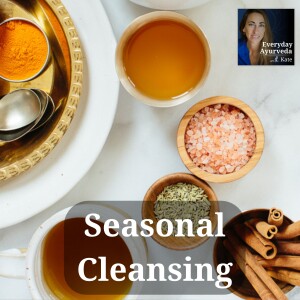
We are talking about seasonal cleansing today.
In Ayurveda, practicing seasonal cleansing is essential for maintaining balance within the body throughout the year. In this episode, we break down what the cleanse entails, how it works, how to do it, and when to avoid it. You will also learn to make kitchari, the go-to dish for Ayurvedic cleanses.
Links and Resources:
Ayurvedic Living Community Membership
If you have any questions, please email us at hello@ayurvedicliving.institute
Spring Cleanse: https://ayurvedicliving.institute/kitchari-cleanse-ayurveda-springConnect with Kate: https://www.healwithkate.org Ayurvedic Living Institute Membership: https://ayurvedicliving.institute/membership Women's Health Collection: https://courses.ayurvedicliving.institute/collections/womens-healthhttps://courses.ayurvedicliving.institute/products/courses/copy-of-fall-community-cleanse-2024Thanks to our Sponsor: Banyan BotanicalsBanyan Botanicals: https://glnk.io/kovw3/kateBitter and Bold: https://glnk.io/kovw3/kate1x5Chyavanprash Herbal Jam: https://glnk.io/kovw3/kate5xiSave 15% with code WINTERWITHKATE
Wednesday Sep 25, 2024
Wednesday Sep 25, 2024
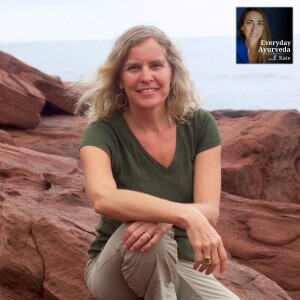
I am delighted to have Dr. Claudia Welch joining me as my guest on the podcast today.
Shifting Focus on Women's Health
The conversation on women's health initially focused on external factors. However, there is currently more awareness of the importance of internal nourishment and rest. Rest and nourishment are crucial for maintaining balance with all the external distractions that draw our attention outward. Nurturing inner stability creates ripples of positivity, much like the various cycles of nature.
Inner Attention Versus External Focus
We need to focus on our internal motivations rather than our external actions. While actions like cooking or caregiving may seem nourishing, the internal mindset driving those actions is what truly matters. In Ayurveda, nurturing our inner world is essential as it helps reduce the impact of fears and external seductions, allowing for more balanced and grounded lives.
Shifting Interests in Health
Over time, there has been a shift from focusing on the biological details of health, like hormones, to a broader view of how people live their lives. According to Eastern philosophy, health imbalances stem from internal belief systems, fears, and seductions. That is why we need to address the root causes of those imbalances rather than focusing on biological symptoms for lasting health.
Hormone Management: HRT vs. Bioidentical Hormones
Claudia emphasizes the benefits of bioidentical hormones over traditional hormone replacement therapy (HRT), explaining that while lifestyle, diet, and herbal remedies can help with menopausal symptoms like hot flashes and insomnia, they may not offer immediate relief for those with a history of poor health habits. Even though those symptoms are not life-threatening, the stress they cause can have long-term health impacts. If bioidentical hormones are inaccessible, HRT might be an acceptable alternative despite the associated risks.
The Uncertainty of Medical Science
Claudia is skeptical about overly confident medical opinions and encourages everyone to be cautious and self-aware when using hormone therapy. In the decades she spent studying hormones, she learned that there is no one-size-fits-all solution.
Stress and Hormonal Imbalance in Midlife
Stress, especially during midlife, significantly impacts our hormonal balance. The emotional challenges many women face in their late 40s and 50s, like the fear of aging and death, can amplify stress. The demands of caring for children and aging parents often worsen these hormonal imbalances.
Confronting the Fear of Death
Reflecting on a personal experience in India, Claudia once believed she did not fear death. However, she felt afraid when she faced the possibility of dying from hepatitis. She feels it is essential for us to intentionally engage with the concept of death as a natural part of life.
The Practice of Dying Daily
Claudia has come to embrace the idea of dying daily, a practice from various spiritual traditions. That means we need to let go of our professional, personal, or emotional attachments if we want to learn about the impermanence of life. By surrendering to that process, we can reduce our fear of death while supporting our hormonal health.
Embracing Loss and Personal Transformation
Letting go means accepting that we cannot control everything. As we age, we must make peace with the inevitable losses we will face. Even though the void our losses leave can feel overwhelming, it ultimately leads to transformation and growth.
Menopause Support and Facing Mortality
Claudia created the Menopause Chronicles, a community to support one another and share experiences for women navigating menopause. She is also excited to offer a course on death and dying this October to help people approach mortality with peace and acceptance.
Links and Resources:
Ayurvedic Living Community Membership
Dr. Welch’s Website
Book: Balance Your Hormones, Balance Your Life
Course: Part I: Hormonal Balance & Stagnation
Menopause Chronicles
Satsangam's Vedic Threads
Death & Dying Course (Coming October 19)
Spring Cleanse: https://ayurvedicliving.institute/kitchari-cleanse-ayurveda-springConnect with Kate: https://www.healwithkate.org Ayurvedic Living Institute Membership: https://ayurvedicliving.institute/membership Women's Health Collection: https://courses.ayurvedicliving.institute/collections/womens-healthhttps://courses.ayurvedicliving.institute/products/courses/copy-of-fall-community-cleanse-2024Thanks to our Sponsor: Banyan BotanicalsBanyan Botanicals: https://glnk.io/kovw3/kateBitter and Bold: https://glnk.io/kovw3/kate1x5Chyavanprash Herbal Jam: https://glnk.io/kovw3/kate5xiSave 15% with code WINTERWITHKATE

Wednesday Sep 11, 2024
Wednesday Sep 11, 2024
I am delighted to have Julia Geer joining me on the podcast today.
Julia is my AI teacher. We met when she was a student at one of the Ayurveda schools where I teach, and now she offers a program to help solopreneurs like me, especially those in the wellness space, automate their businesses using AI.
As the founder of The Gear Shift, Julia blends cutting-edge AI with ancient wellness practices shaped by her 20 years of experience in healthcare, where she helped commercialize the first FDA-approved AI technology for clinical use. She is also a certified yoga therapist, Ayurvedic health counselor, and mindfulness meditation teacher.
With her holistic approach to business and personal growth, Julia makes the journey into AI surprisingly relevant to everyday tasks like cooking. In this episode, she explains how to use tools like ChatGPT and other AI engines to simplify meal planning. She even teaches us how to Ayurveda-size meals and tailor recipes to fit the season or your body type. While we also touch on AI ethics, we focus on practical and hands-on tips.
This episode is full of surprises, and I know you will love it!
Links and Resources:
Ayurvedic Living Community Membership
Amplify with AI
Spring Cleanse: https://ayurvedicliving.institute/kitchari-cleanse-ayurveda-springConnect with Kate: https://www.healwithkate.org Ayurvedic Living Institute Membership: https://ayurvedicliving.institute/membership Women's Health Collection: https://courses.ayurvedicliving.institute/collections/womens-healthhttps://courses.ayurvedicliving.institute/products/courses/copy-of-fall-community-cleanse-2024Thanks to our Sponsor: Banyan BotanicalsBanyan Botanicals: https://glnk.io/kovw3/kateBitter and Bold: https://glnk.io/kovw3/kate1x5Chyavanprash Herbal Jam: https://glnk.io/kovw3/kate5xiSave 15% with code WINTERWITHKATE
Wednesday Aug 28, 2024
Wednesday Aug 28, 2024
Conversations about the mind can sometimes feel oppressive or daunting, especially as we begin exploring what goes on there.
The mind is a system mostly comprised of space, filled with various elements, some good and others not. Creating positive space around you in simple and enjoyable ways will also uplift your internal spaces.
So, today, in the second part of our series on Ayurveda and the mind, we focus on ways to cultivate good space. Stay tuned for practical ideas to enhance your surroundings and inner world.
Links and Resources:
Ayurvedic Living Community Membership
Spring Cleanse: https://ayurvedicliving.institute/kitchari-cleanse-ayurveda-springConnect with Kate: https://www.healwithkate.org Ayurvedic Living Institute Membership: https://ayurvedicliving.institute/membership Women's Health Collection: https://courses.ayurvedicliving.institute/collections/womens-healthhttps://courses.ayurvedicliving.institute/products/courses/copy-of-fall-community-cleanse-2024Thanks to our Sponsor: Banyan BotanicalsBanyan Botanicals: https://glnk.io/kovw3/kateBitter and Bold: https://glnk.io/kovw3/kate1x5Chyavanprash Herbal Jam: https://glnk.io/kovw3/kate5xiSave 15% with code WINTERWITHKATE

Wednesday Aug 14, 2024
Wednesday Aug 14, 2024
Today, I address your questions about anxiety and depression.
I am excited to explore this important and extensive topic, as Ayurveda offers a nuanced and refined perspective on mental wellness.
In this discussion, I share practical and helpful strategies to guide you in considering and managing the mental landscape. You will definitely not want to miss it, so stay tuned for more!
Links and Resources:
Ayurvedic Living Community Membership
Spring Cleanse: https://ayurvedicliving.institute/kitchari-cleanse-ayurveda-springConnect with Kate: https://www.healwithkate.org Ayurvedic Living Institute Membership: https://ayurvedicliving.institute/membership Women's Health Collection: https://courses.ayurvedicliving.institute/collections/womens-healthhttps://courses.ayurvedicliving.institute/products/courses/copy-of-fall-community-cleanse-2024Thanks to our Sponsor: Banyan BotanicalsBanyan Botanicals: https://glnk.io/kovw3/kateBitter and Bold: https://glnk.io/kovw3/kate1x5Chyavanprash Herbal Jam: https://glnk.io/kovw3/kate5xiSave 15% with code WINTERWITHKATE